Rideshare Accident Attorneys - Uber & Lyft Claims

Rideshare accidents involving Uber, Lyft, and other ride-hailing services create complex insurance situations. Multiple insurance policies may apply depending on the driver's status at the time of the accident—whether they were waiting for a ride request, en route to pick up a passenger, or actively transporting a passenger.

Rideshare driver using a navigation phone in city traffic

Coverage Tiers

Understanding Rideshare Insurance Coverage

Personal Auto Policy

The driver's personal insurance typically denies claims if they were using the vehicle for commercial ridesharing purposes without a special endorsement.

Contingent Liability

Available when the app is on and the driver is waiting for requests, with limited per-person and per-accident injury coverage.

Primary Liability (Active)

Up to $1 million in primary liability coverage may apply from the moment a ride is accepted until the passenger exits the vehicle.

Uninsured/Underinsured

Provides protection if an active rideshare vehicle is struck by another negligent driver who has insufficient or no auto insurance.

Third-Party Driver

Third-party drivers struck by an at-fault rideshare driver may pursue a direct liability claim against the applicable rideshare policy.

Up to $1 Million Coverage

Critical financial protection may cover severe passenger injuries, permanent disability, and significant medical diagnostic expenses.

Eligible Claimants

Who Can File a Rideshare Accident Claim?

Passengers

Any passenger inside the rideshare vehicle at the time of the collision, regardless of which driver caused the crash.

Other Drivers

Drivers of third-party motor vehicles struck due to the negligence or distraction of a rideshare driver.

Pedestrians & Cyclists

Vulnerable road users hit by an active rideshare vehicle while walking, jogging, or cycling near traffic lanes.

Rideshare Drivers

Active Uber or Lyft drivers who were injured due to the negligence of other motorists on the road.

Physical Impact

Common Rideshare Accident Injuries

Collisions at urban intersections often yield significant injuries due to unexpected angles and forces.

  • Whiplash & Soft Tissue Injuries: Sprains and neck hyperextension during sudden stops.

  • Back & Spinal Injuries: Herniated discs and lumbar strains from high physical impact.

  • Head & Brain Injuries: Traumatic brain injury from hitting interior windows or panels.

  • Broken Bones, Cuts & Bruises: Fractured extremities and severe seatbelt lacerations.

  • Emotional Trauma & Anxiety: Post-traumatic stress and driving anxiety following a crash.

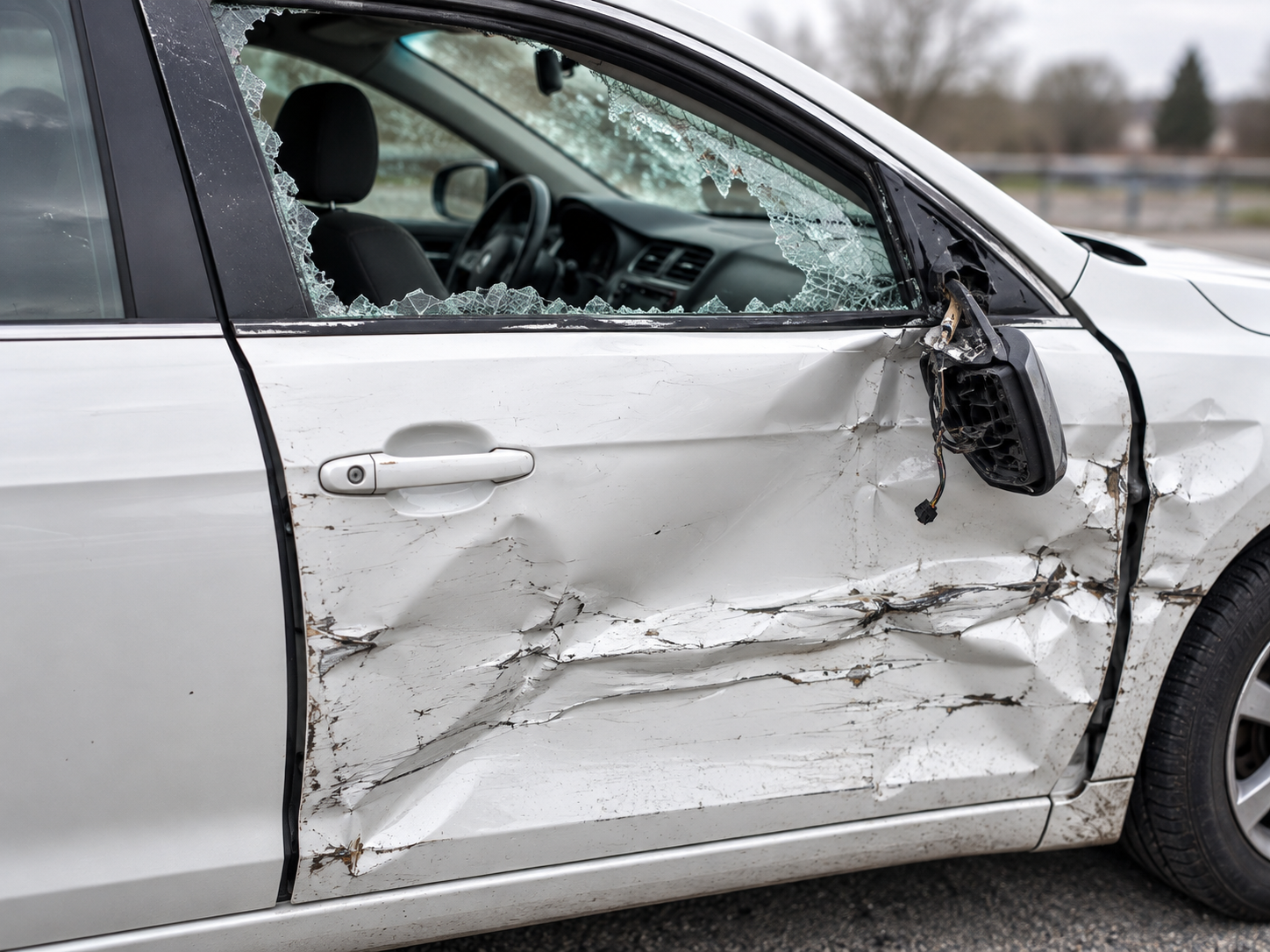
Passenger side of a rideshare vehicle damaged in a collision